
As autumn arrives in the Pacific Northwest, our gardens require a thoughtful shift in care to prepare for the colder months ahead. Professional garden maintenance services help property owners navigate this transition by addressing the unique challenges of cooler temperatures, increased rainfall, and shorter days. Understanding these seasonal changes and adapting our methods accordingly makes the difference between a garden that merely survives winter and one that emerges vibrant and healthy come spring.
For property owners in our area, fall presents a critical window to address key tasks that protect plant health, maintain curb appeal, and set the foundation for next year’s growing season. Whether you manage a residential property, oversee an HOA community, or maintain a commercial space, implementing the right strategies now will save time, money, and effort down the road while ensuring your outdoor areas remain functional and attractive throughout the year.
Preparing Your Garden for Winter Through Strategic Garden Maintenance Services
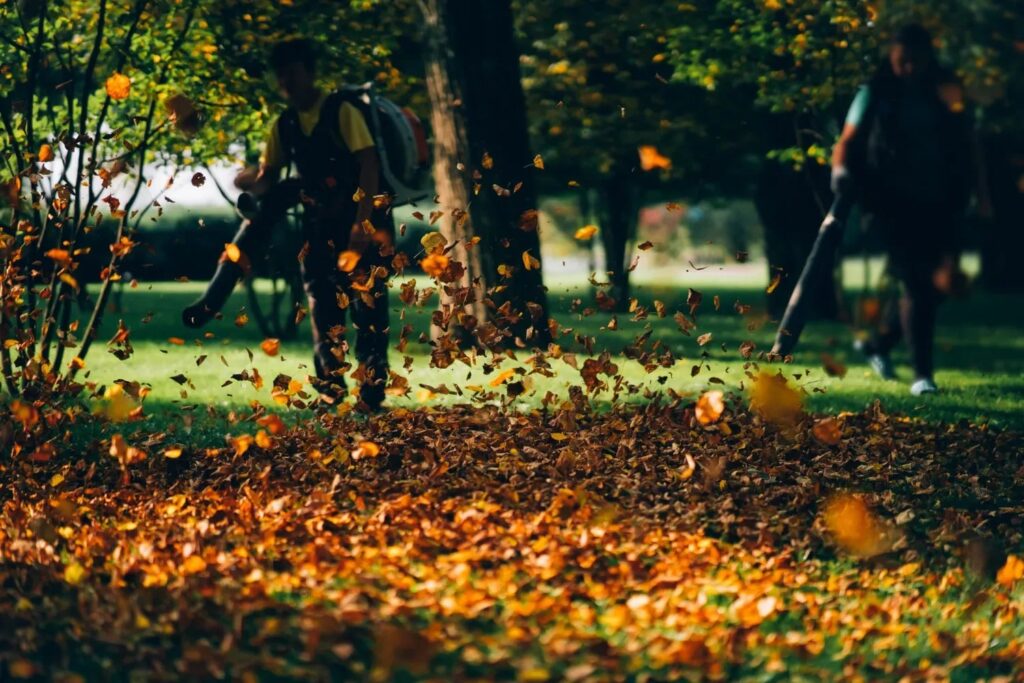
The first step in effective fall garden care involves a thorough cleanup to remove debris, fallen leaves, and spent plant material. This isn’t just about aesthetics; accumulated organic matter can harbor diseases, pests, and fungal spores that threaten plant health during the wet winter months. We remove diseased or damaged foliage promptly to prevent issues from spreading to healthy plants.
Strategic pruning during autumn helps many perennials and shrubs redirect energy toward root development rather than sustaining unnecessary top growth. However, timing matters significantly. We avoid heavy pruning of spring-blooming shrubs in fall, as this removes next season’s flower buds. Instead, we focus on removing dead or crossing branches and shaping plants to improve air circulation. Professional maintenance services ensure pruning is done correctly, protecting your investment in established plantings.
Maintaining Lawn Health Through Fall-Specific Practices
Cool-season grasses thrive during autumn in our region, making this an ideal time for intensive lawn care that strengthens turf before winter stress. Aeration tops the list of beneficial practices, as it relieves soil compaction, improves oxygen flow to root zones, and enhances water and nutrient absorption. We typically recommend aerating lawns in early to mid-fall when grass is actively growing.
Core Aeration and Overseeding Benefits
Overseeding immediately after aeration fills in bare patches and thickens overall turf density, and is typically paired with a starter fertilizer and granular lime. The combination of warm soil temperatures, cooler air, and increased moisture creates perfect germination conditions. These fall treatments deliver noticeable improvements in spring vitality and density.
Essential Lawn Tasks for Autumn
- Continue mowing as long as grass grows, gradually lowering blade height toward season’s end
- Apply fall fertilizer formulated for root development rather than top growth
- Remove leaves promptly to prevent smothering turf and encouraging disease
- Address drainage issues before winter rains create standing water problems
Managing Irrigation to Prevent Disease and Water Waste
Fall irrigation requires a delicate balance. While our region typically receives ample rainfall during autumn, dry spells still occur, and newly-planted specimens need consistent moisture to establish strong root systems before winter dormancy. We adjust irrigation schedules based on actual weather conditions rather than simply following summer routines.
Overwatering becomes a serious concern as temperatures drop and evaporation rates decrease. Excess moisture combined with cooler weather creates ideal conditions for root rot, fungal diseases, and other problems that compromise plant health. We monitor soil moisture levels regularly and reduce watering frequency as needed, ensuring water penetrates deeply but allowing the soil surface to dry between applications. Before the first hard freeze arrives, we prepare irrigation systems for winter by draining lines, shutting off outdoor water sources, and protecting exposed components.
Strengthening Plants with Mulch and Targeted Soil Amendments
Applying fresh mulch in fall serves multiple purposes. A two to three-inch layer insulates soil, moderating temperature fluctuations that can heave plants from the ground during freeze-thaw cycles. Mulch also suppresses weeds that attempt to establish before winter, retains moisture, and slowly breaks down to improve soil structure over time. Late-season applications allows for rains to help the mulch settle, making it last longer than spring applications.
We select mulch materials appropriate for specific applications. Organic options like shredded bark or compost work well for most garden beds, while decorative stone may suit certain design aesthetics. The key is avoiding mulch volcanoes around tree trunks and plant stems, which trap moisture and encourage rot. Soil amendments applied in fall have months to integrate before spring planting, and adding compost enriches soil biology while improving texture for both existing plants and future installations.
Your garden’s fall preparation directly impacts its performance throughout the coming year. Our team brings the expertise, equipment, and attention to detail needed to address every aspect of seasonal outdoor care. Reach out to us today to arrange professional maintenance tailored to your residential, HOA, or commercial property and ensure your landscape stays healthy and attractive all year long.